





History of Clan MacInnes

The Ancient and Tragic History of Clan MacInnes
Clan MacInnes (Gaelic: MacAonghais) bears one of the oldest names in the Highlands, translating to "Son of Angus." This Angus is believed to have been an ancient figure among the Gaels, though his exact identity is lost to the mists of time. Some interpretations also suggest the name means "Son of the Islet."
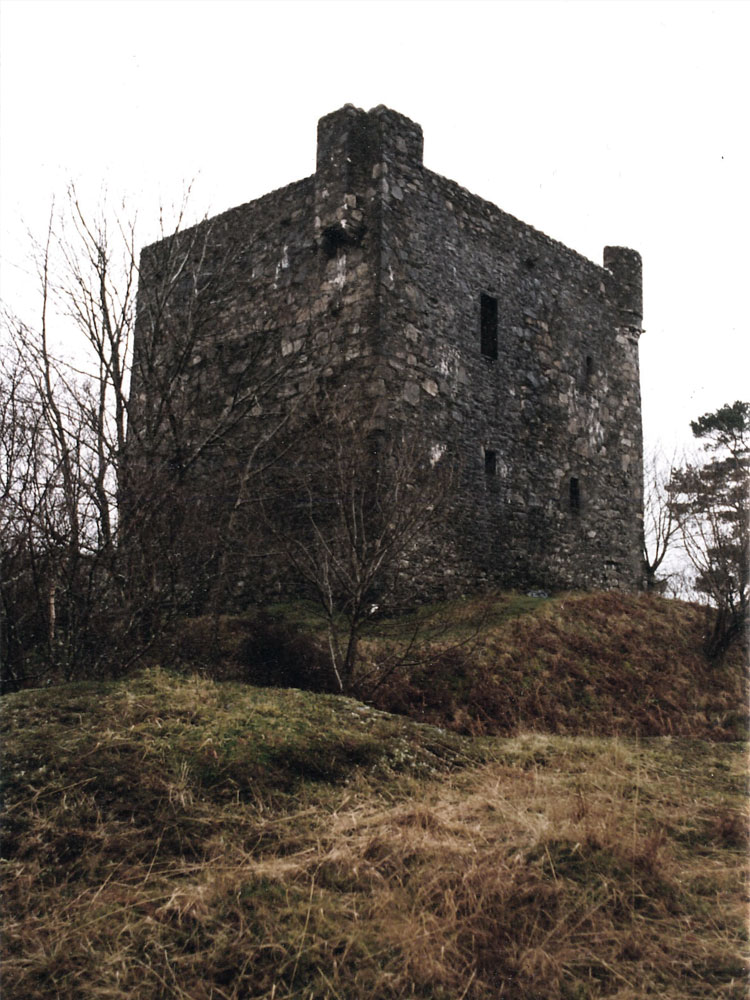
Originally, the clan was part of a powerful ancient confederacy known as the Siol Gillivray, which included the MacGillivrays, MacMasters, and MacEacherns. They were firmly established in the heart of Morvern, with their headquarters at the head of Loch Aline. The ruins of the old square tower at Kinlochaline still stand today as a testament to their ancient power.
The Massacre at Ardtornish (1358)
The MacInneses were closely allied with the Lords of the Isles, serving as the hereditary bowmen and guardians of the strategic Sound of Mull. However, this alliance ended in bloodshed. Around 1358, the Chief of Clan MacInnes and his sons were brutally murdered at Ardtornish Castle. The assassination was ordered by the Lord of the Isles himself, allegedly because the MacInnes chief had advised him against a marriage to the daughter of the Lord of Lorn.
Following this massacre, the MacInnes lands in Morvern were stripped from the clan and granted to the Clan Maclean. Leaderless and dispossessed, the surviving MacInneses were forced to disperse, marking the end of their time as an independent territorial power.

The Hereditary Bowmen of Skye
While the chiefly line was extinguished, the spirit of the clan survived. Many MacInneses fled to the Isle of Skye, seeking refuge with Clan MacKinnon. Here, they became renowned for their martial skills, particularly archery. They formed a sept known as Sliochd Neill a’ bhogha ("The Line of Neil of the Bow"). These skilled warriors served as the hereditary bowmen to the Chiefs of Clan MacKinnon, protecting the rugged coasts of Skye for generations.

The Wars of Montrose and the Bee Legend
The MacInneses remained active in Highland warfare. In 1645, during the Wars of Montrose, the clan held Kinlochaline Castle against a siege by Irish auxiliaries. They defended the fortress stubbornly until the walls were finally breached, making further resistance hopeless.
The clan is also famous for its unique ancient crest: a bee on a thistle, with the motto E labore Dulcedo ("In labor, pleasure"). This symbol originates from a legend where a sleeping MacInnes Chief was stung by a bee, waking him just in time to rally his clan and defeat a surprise attack by Viking raiders. The bee, a small but vigilant guardian, thus saved the clan.