





History of Clan MacBain

The Historic Legacy of Clan MacBain
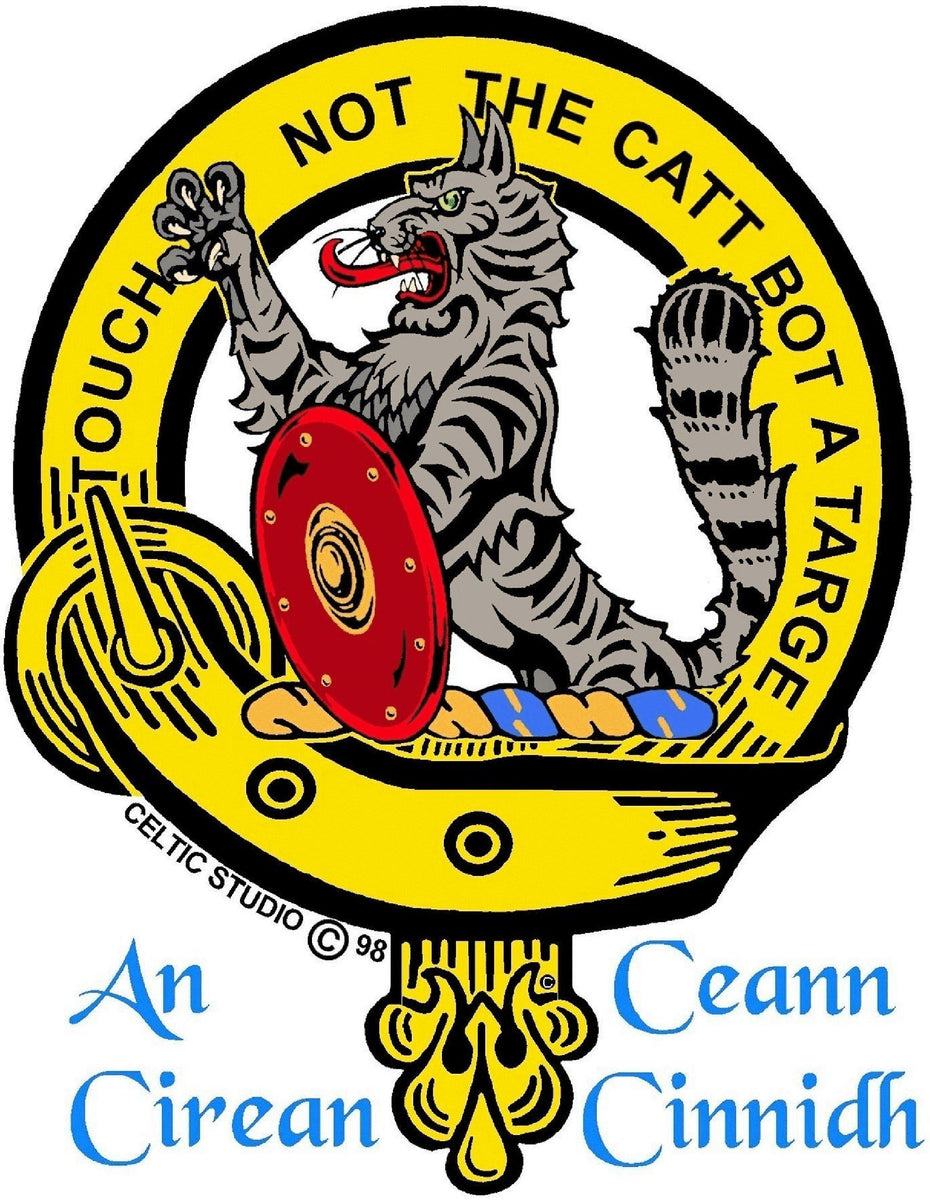
The name MacBain (often interchangeable with MacBean) is derived from the Gaelic bheathain, meaning "lively one." Historical tradition suggests a royal lineage, linking the family to the line of the famous King MacBeth. Following the removal of the MacBeth line from the Scottish throne by Malcolm II, the family faced persecution and sought protection within the powerful Chattan Confederation (Clan Chattan).

Warriors for Independence The MacBains have a long record of military prowess. The earliest confirmed record appears in the Kinrara manuscript of the mid-14th century, naming Bean Macmilmhor and his son. During the Wars of Scottish Independence, Clan MacBain staunchly supported King Robert the Bruce. They are credited with a decisive act of loyalty: killing the steward of John the Red Comyn, Bruce’s arch-rival, whom Bruce himself slew at Dumfries in 1306.
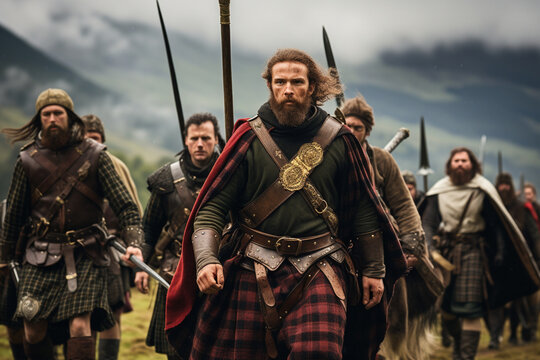
Highland Feuds and The Fight at Logiebride Like many Highland clans, the MacBains were involved in fierce local disputes. A notable incident occurred at a fair in Logiebride, where a fight broke out between Alexander Bane and John Macgillichallum. This personal quarrel escalated rapidly, drawing in Clan Munro and Clan MacKenzie, nearly igniting a full-scale war in Ross-shire. Although lives were lost—including several MacKenzies and Munros—peace was eventually restored, but the event highlights the volatile nature of Highland alliances.
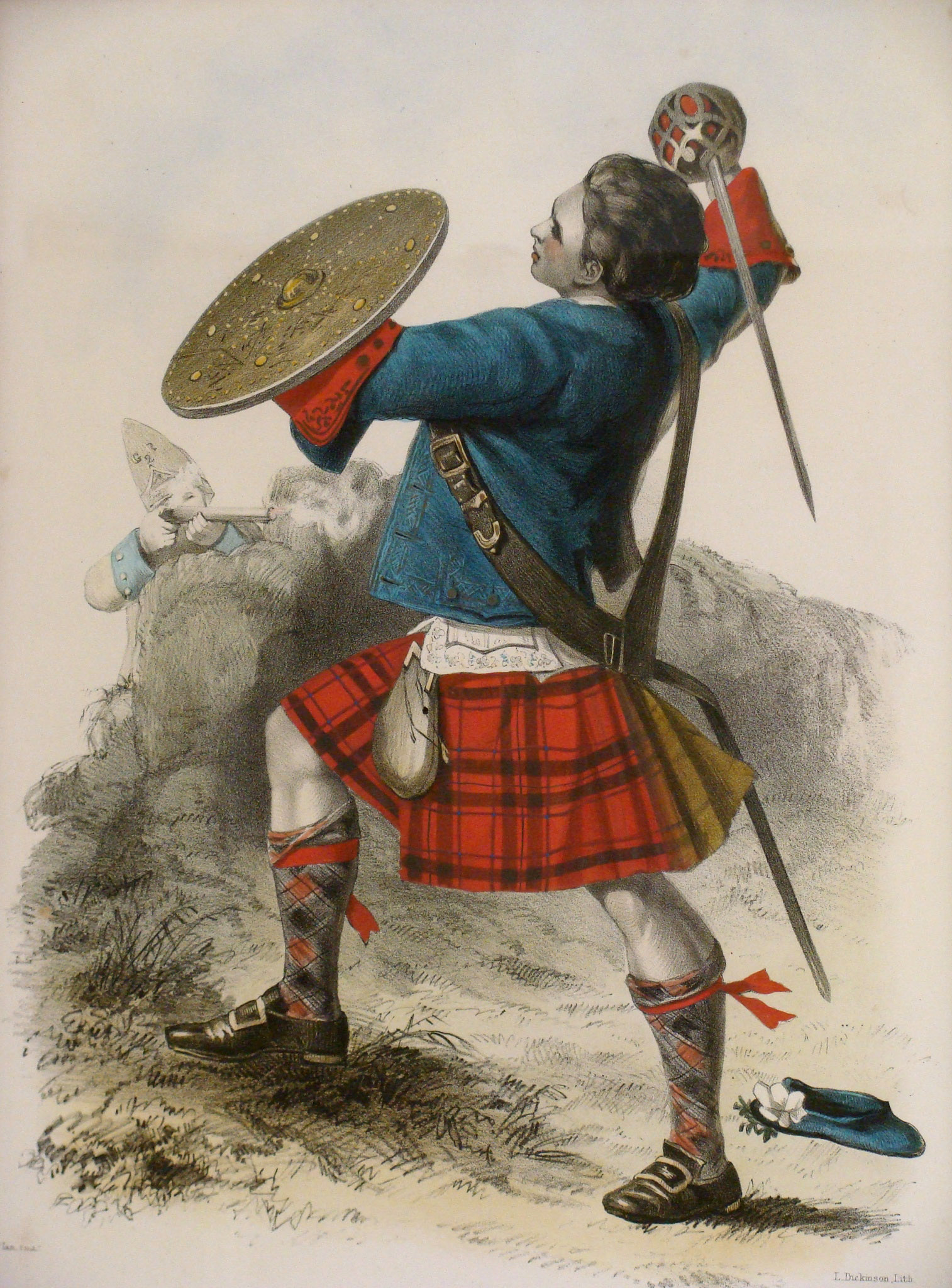
The Hero of Culloden The MacBains were fervent Jacobites, supporting the Stuarts in the uprisings of 1715 and 1745. The most legendary figure in clan history is Major Gillies MacBain. At the disastrous Battle of Culloden in 1746, this giant of a man—standing over 6ft 4in tall—found himself backed against a wall. Refusing to yield, he single-handedly cut down 13 or 14 government soldiers before being mortally wounded. His heroism is immortalized in Highland legend.
Loss and Revival Following Culloden, the clan suffered greatly. Many were transported to plantations in America, and the 12th Chief, Paul MacBean, had already been forced to relinquish lands due to debt in 1685. The remaining estates were sold by 1760. However, the spirit of the clan survived. In modern times, the hereditary Chief has worked tirelessly to retrieve parts of the ancestral land, establishing a MacBain Memorial Park on the slopes above Loch Ness, ensuring the legacy of the "Lively Ones" endures.