





History of Clan MacBean

The Warlike History of Clan MacBean
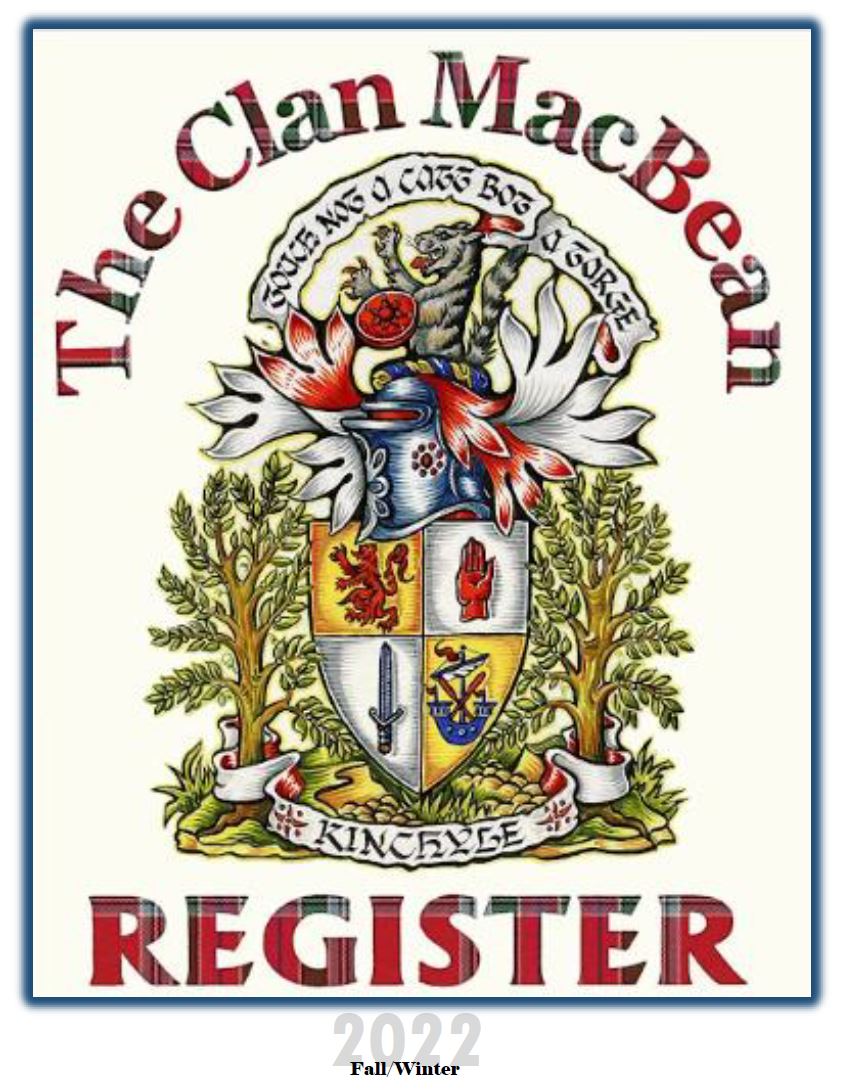
The name MacBean (Gaelic: MacBheathain) translates to "Son of the Lively One." The clan boasts a royal lineage tracing back to the ancient Kingdom of Dal Riata. The clan’s history is inextricably linked to the Chattan Confederation. It began in 1291 when Eva, heiress of Clan Chattan, married Angus Mackintosh. Her kinsman, Bean Macdhomhil Mor, accompanied her, establishing the MacBeans as a principal clan within the confederation.

Warriors for the Bruce The MacBeans quickly established a reputation for martial prowess. During the Wars of Scottish Independence, they staunchly supported King Robert the Bruce. Tradition holds that the MacBeans were responsible for killing the steward of the Red Comyn, Bruce’s great rival for the throne. This fierce loyalty defined the clan for centuries to come.
The Hero of Culloden The clan supported the Jacobite Risings of 1715 and 1745. The most legendary figure in clan history is Major Gillies MacBean. At the Battle of Culloden in 1746, this giant of a man—standing over 6ft 4in tall—found himself backed against a wall. Refusing to yield, he single-handedly cut down 13 or 14 government soldiers before being mortally wounded. His heroism is immortalized in Highland legend.
Symbols and Territory The historic seat of the clan was Kinchyle, on the south side of Loch Ness. "Kinchyle!" also served as the clan's War Cry to rally the troops.

-
Motto: Touch not a catt bot a targe (Don't mess with this cat unless you have a shield!).
-
Crest: A Wildcat holding a shield (targe). The Wildcat symbolizes the ferocious spirit of the Clan Chattan confederation.
Loss and Modern Revival Following the Jacobite defeat, the lands of Kinchyle were lost due to debt and taxation in the late 1700s, and many MacBeans emigrated to North America. The Chiefship lay vacant for nearly 200 years until the mid-20th century. Hughston McBain, the 21st Chief, successfully reclaimed the title and repurchased a portion of the ancestral land. Today, the MacBean Memorial Park stands on the slopes above Loch Ness, a testament to the clan's enduring spirit.