





History of Clan MacEwan

The Ancient Origins of Clan MacEwan
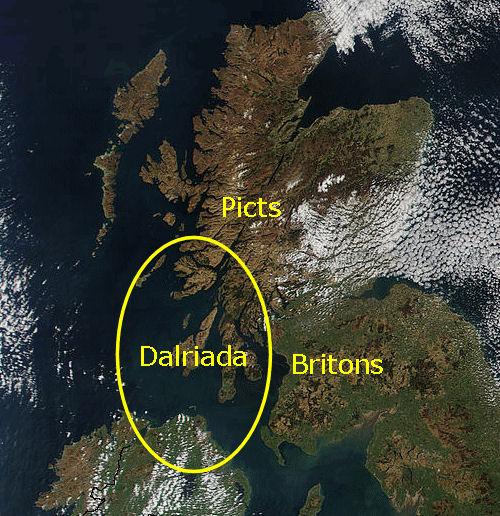
The Clan MacEwan (or MacEwen) boasts a royal lineage that stretches back to the ancient Scots of Dalriada. They claim descent from Anrothan O'Neill, an Irish prince who left Ireland for Kintyre in the 11th century. Through him, the clan traces its bloodline to the legendary Niall of the Nine Hostages, High King of Ireland.
This prestigious ancestry links the MacEwans to other noble Argyll clans, including the Lamonts, MacLachlans, and MacNeils. By the year 1200, the clan was firmly established under Ewen of Otter on the rocky shores of Loch Fyne in Argyll.
The Last Chief and the Loss of Otter (1432–1493)
The MacEwen Chiefs ruled from their stronghold, MacEwen Castle, located on the rocky coast near Kilfinan. Their genealogy is recorded in the famous MS 1467 manuscript, now held in the National Library of Scotland. However, the clan's independence came to an end in the 15th century.
In 1432, the Chief Swene MacEwen resigned his title to the Barony of Otter to King James I. While the King restored the title to Swene for his lifetime, he designated Gillespie Campbell, the heir of Lochow, as the successor. When Swene died in 1493, the ancient MacEwan lands passed to the Campbells. From this point on, Clan Ewen became a "broken clan"—without a chief or a homeland—often serving as vassals to the Campbells.

Bards, Poets, and Mary Queen of Scots (1500s–1600s)
Despite losing their lands, the MacEwans survived and adapted. Tradition states that a branch of the clan moved to the Earldom of Lennox in the 15th century under a chieftain of their own. It is said they fought for Mary Queen of Scots, who may have granted them a banner before her defeat at the Battle of Langside in 1568.
In 1602, an Act of Parliament listed the MacEwans alongside the MacLachlans and MacNeils as vassals answerable to the Earl of Argyll. During this era, the MacEwans became renowned as hereditary bards and poets to the Campbells and MacDougalls. A notable figure, Neil MacEwen, composed a famous poem on the death of Campbell of Glenorchy in 1630, preserving the Highland oral tradition.

Jacobites and Modern Legacy (1700s–Present)
During the turbulent 18th century, the MacEwans did not rise as a unified clan but many supported the Jacobite Rising of 1715 as individuals, fighting for the Stuart cause.
In more recent history, the clan has produced distinguished figures such as Sir Alexander MacEwen (1875–1941). Serving as the Provost of Inverness, the "Capital of the Highlands," he was a prominent Scottish Nationalist and a tireless advocate for Highland culture. Today, MacEwans around the world continue to honor their heritage as descendants of the poets and warriors of Otter.