





History of Clan Mackintosh

The Leaders of Clan Chattan: History of Clan Mackintosh
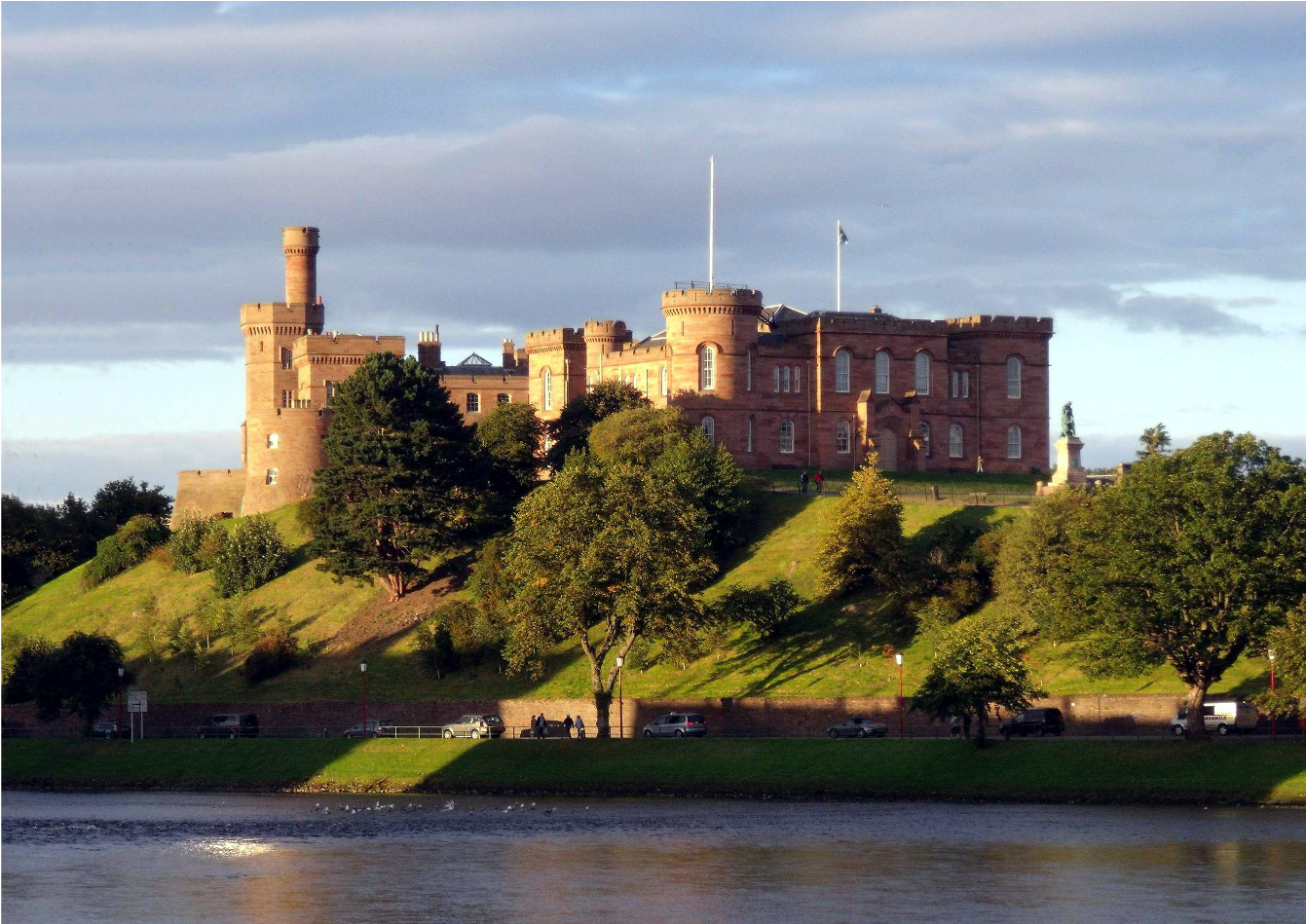
Clan Mackintosh (Gaelic: Clann Mhic an Tòisich) translates to "Sons of the Chief" or "Leader." The name is derived from their progenitor, Shaw MacDuff, a younger son of the Earl of Fife and scion of the ancient royal house of Dalriada. In the 12th century, Shaw traveled north with King Malcolm IV to suppress a rebellion in Moray. For his loyal service, he was appointed Constable of Inverness Castle and granted lands in the Findhorn Valley. From these royal beginnings, the Mackintoshes rose to become one of the most powerful families in the Highlands, eventually securing the leadership of the great Chattan Confederation, a vast alliance of clans including the Macphersons, Davidsons, and MacGillivrays.
Feuds and the Struggle for Dominance
The history of the clan is defined by centuries of warfare to defend their position. Their most bitter rivalries were with Clan Cameron and Clan Comyn.
-
The Comyn Feud: In 1424, the Comyns seized Mackintosh lands, sparking a bloody conflict. The feud culminated at Rait Castle, where the Comyns invited the Mackintoshes to a "feast of reconciliation" with plans to massacre them. However, the Mackintosh chief was warned of the trap. At a secret signal, the Mackintoshes drew their daggers first and slaughtered their Comyn hosts, securing their survival.
-
The Battle of the North Inch (1396): As leaders of Clan Chattan, the Mackintoshes fought in this famous gladiator-style battle against Clan Kay (believed to be Camerons) in front of King Robert III to settle their disputes.

The "Rout of Moy" and Colonel Anne
The Mackintoshes were ardent Jacobites, but in 1745, the Chief, Angus Mackintosh, was a serving officer in the British Army's Black Watch. In his absence, his wife, the formidable Lady Anne Farquharson-MacKintosh, raised the clan herself to fight for Bonnie Prince Charlie. She earned the admiring nickname "Colonel Anne."
Her finest hour came during the "Rout of Moy." When 1,500 government troops marched to capture the Prince (who was staying at the Mackintosh seat, Moy Hall), Lady Anne sent out just five men to create a diversion. By firing guns, shouting war cries of different clans, and creating chaos in the dark, these five men tricked the government army into believing they were facing the entire Jacobite force. The 1,500 soldiers fled in panic, and the Prince was saved without a major battle.

The Seat of Chiefs: Moy Hall
For over 600 years, Moy Hall, situated on Loch Moy south of Inverness, has been the seat of the Mackintosh Chiefs. The original castle stood on an island in the loch for defense. It was replaced by a grand mansion in the 19th century, which unfortunately succumbed to dry rot and was demolished after WWII. Today, a newer, more modest Moy Hall stands on the estate. It houses priceless clan relics, including the bed that Bonnie Prince Charlie slept in and the sword used by Viscount Dundee at the Battle of Killiecrankie.

Modern Legacy and Clan Chattan
The Mackintoshes paid a heavy price at Culloden in 1746, suffering massive casualties as they charged the government lines. Despite the devastation, the clan survived. Today, the Chief is John Lachlan Mackintosh of Mackintosh, who resides in Singapore. The clan continues to play a central role in Highland culture, maintaining the historic bonds of the Chattan Confederation and preserving the legacy of the "Captain of Clan Chattan."
👉 Shop the Exclusive Clan Mackintosh Collection